
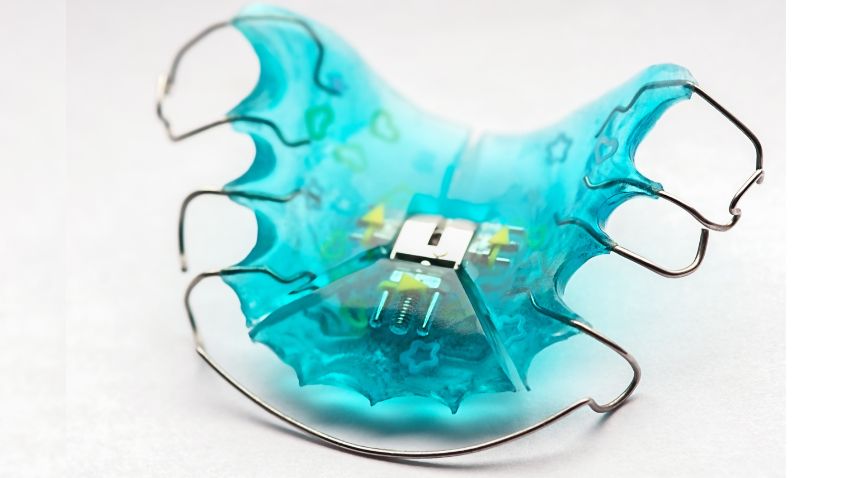
Retainers hold the results of orthodontic treatment in place. They keep teeth aligned and stop them drifting back over time, and looking after one properly keeps it working the way it should for as long as you need it. In this guide you will learn how to take care of retainers day to day, how long you can expect to wear one, and what to do when something goes wrong.
Why Retainers Matter After Braces
The day the braces come off feels like the finish line. It is not, quite. Teeth are still mobile at that point, and the bone and soft tissue around them need time to settle into the new positions. Without something holding them steady, they start to drift back.
Three things are working against you in that window:
- The bone surrounding the teeth is still soft and adapting, so it offers very little resistance to movement.
- The ligaments have memory. They can pull teeth back toward where they used to sit.
- Ordinary habits add up. Chewing, sleeping position, and mild grinding all nudge teeth over time.
This is why the first year after treatment is the stretch that matters most. Shifting can start within weeks, not years, and it undoes the work quietly enough that people often do not notice until the change is obvious. Wearing the retainer as directed is what protects the months or years of orthodontic treatment that came before it.
Types of Retainers
Retainers are not generic. Each one is made to match your alignment at the end of treatment, which is why a retainer from years ago will not fit correctly today. There are two main kinds.
Fixed Retainers
A fixed or permanent retainer is a thin wire bonded to the back of the teeth, usually the lower front ones. It works around the clock and there is nothing to remember, which makes it a good fit for cases where relapse is more likely. The trade-off is cleaning. Because it cannot be removed, plaque builds up around it unless you floss carefully underneath.
Removable Retainers
Removable retainers come out for eating and cleaning. Some are the traditional wire and acrylic design, and some are clear plastic trays that sit over the teeth and are close to invisible. Clear retainers are the more popular choice, and if you finished treatment with clear aligners the feel will already be familiar.
Removable retainers are far easier to keep clean than fixed ones. The catch is that they only work when they are in your mouth, so consistency does all the work here.
How Long Do You Wear a Retainer?
There is no single answer, because it depends on how the teeth moved, where the bite ended up, and how much correction was involved. Most people wear a retainer full-time for the first stretch after braces come off, then step down to nights only.
Nighttime wear often continues indefinitely. That sounds like a lot when you first hear it, and it is the part patients push back on most. In practice it stops feeling like a chore within a few weeks and becomes one more thing you do before bed. Your orthodontist will set the schedule that fits your case rather than applying a standard one.
How To Take Care Of Retainers Daily
Cleaning retainers daily is non-negotiable. Here is how to maintain them:
- Rinse after every use: Prevent saliva and plaque buildup by rinsing retainers under lukewarm water immediately after removal.
- Brush gently: Scrub the retainer with a soft toothbrush and non-whitening toothpaste. Avoid harsh cleaners that may damage it.
- Soak weekly: Submerge retainers in a cleaning solution designed for orthodontic devices. This removes odors and eliminates bacteria.
The American Association of Orthodontists has further guidance on cleaning if you want to go deeper.
Dos and Don’ts of Retainer Care
Follow these guidelines to protect a retainer, whether it is yours or your child’s:
Dos
- Store retainers in a protective case when not in use.
- Use lukewarm water only, since hot water can warp the material.
- Take the retainer out before anything hot to eat or drink.
- Schedule regular dental checkups to ensure proper fit.
Don’ts
- Avoid placing retainers in napkins or pockets, they are easy to lose or break.
- Keep retainers away from pets, they may chew on them.
- Do not use abrasive cleaners, which can scratch the surface.
Handling Stains and Odors
Stains and odors are the most common complaint, and they almost always trace back to inconsistent cleaning. Address them with these steps:
- Use a mix of lukewarm water and baking soda to remove stubborn stains.
- Try retainer cleaning tablets for deep cleaning and odor removal.
- Brush your teeth before putting the retainer back in, so bacteria are not transferred straight onto it.
When to Replace a Retainer
Retainers do not last forever, even with proper care. Here are signs one may need replacing:
- Cracks or breaks in the material.
- Persistent odors or stains that will not go away.
- Poor fit or discomfort when wearing the retainer.
If you notice any of these, book a visit rather than waiting it out. A retainer that no longer fits properly is not holding anything in place, and a lost or broken one should be replaced quickly. Teeth can move in the gap between losing a retainer and getting a new one.
Tips for Traveling with Retainers
Traveling with retainers requires extra precautions:
- Pack a sturdy retainer case to prevent damage.
- Carry cleaning supplies like soft toothbrushes and tablets for easy maintenance.
- Keep wearing it on schedule, even on trips. A week off is enough to feel a difference on the way back in.
Encouraging Your Child to Care for Their Retainer
Getting kids to stick to a retainer care routine can be challenging. These tips may help:
- Explain the importance of retainers for their smile.
- Make cleaning fun by letting them choose colorful cases or toothbrushes.
- Set reminders to establish consistency.
- Have them keep the case in the same place every night, so it never ends up wrapped in a napkin at lunch.
Retainers at Rise Orthodontics in Modesto
Knowing how to take care of retainers is what keeps orthodontic results where they belong. The cleaning routine is simple once it is a habit, and most of the problems people run into come down to a retainer that stopped fitting and never got looked at.
Dr. Phillip Ha is a board-certified orthodontist, and every retainer at our Modesto office is designed and fitted for the patient it belongs to. Regular check-ins let us catch a change in fit or a small shift early, while it is still easy to deal with.
If your retainer is cracked, missing, or no longer sitting right, or you have finished treatment somewhere else and want a new one made, book a free consultation and we will take a look.